
From Ruin to Resilience: The Unseen Strength of Northern Uganda
The war in Northern Uganda left scars on the land, on families, and on the spirit of entire communities. Decades later, many still live in the shadow of conflict. Yet amidst the pain and loss, a quiet resilience is rising. This is their story.
A Legacy of Displacement and Loss
For nearly two decades, the Lord’s Resistance Army insurrection turned villages into war zones. Homes were burnt, crops destroyed, tens of thousands abducted, and over a million people forced into internal displacement camps.
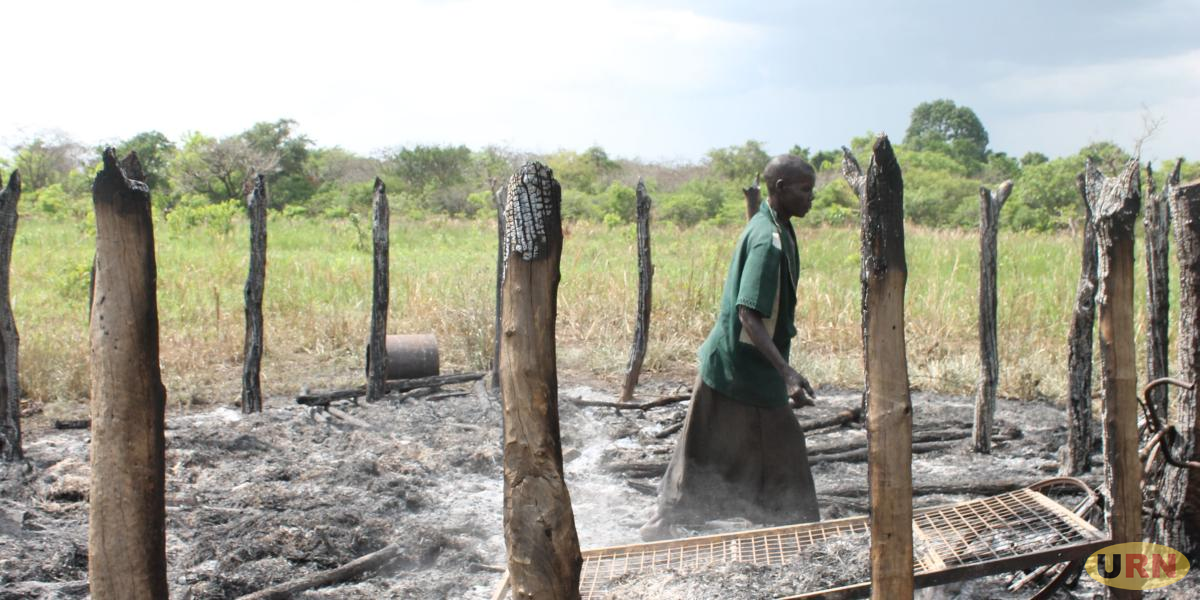
Lost families, homes and livelyhoods
The conflict ruptured the very fabric of society. Children were stolen from their parents, education was derailed, and entire generations grew up knowing only uncertainty and fear.
Even after the fighting ended, the aftermath lingered. Families returned to farmland that no longer produced, to schools in ruins, and to roads that disappeared with the rains.
Life Today: Surviving, Struggling, and Rebuilding
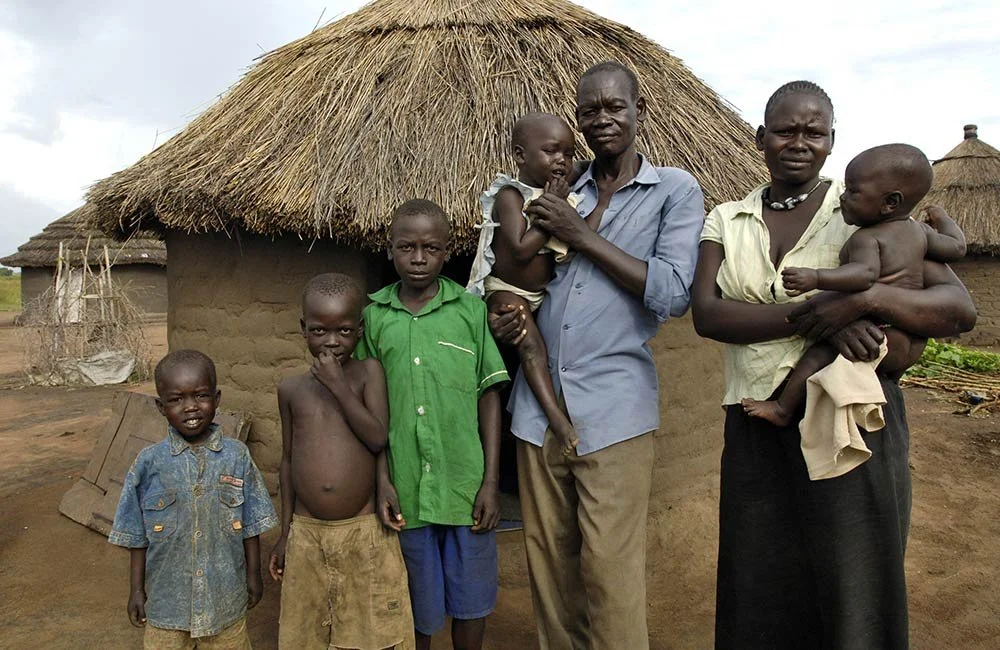
It all starts with rebuilding a strong family structure
Economic Hardship
Many in the north still depend on subsistence farming, but poor soil, failing harvests, and climate shocks keep them in a cycle of survival rather than growth. Youth unemployment is especially high, leaving many young people in limbo with dreams but no opportunities.
Emotional and Mental Wounds
The invisible scars run deep. Survivors carry trauma from abduction, violence, and loss. Many live with haunting memories, missing loved ones, and unresolved grief. Mental health services are scarce, and in many cases, cultural stigma still prevents open conversations about trauma.
Social Fractures and Distrust
The war left communities fractured. Neighbours who once trusted each other were set against one another. Rebuilding is not only about infrastructure but also about mending relationships. Land disputes remain a common source of conflict as displaced people return to find boundaries lost or occupied.
Infrastructure Still Lags Behind
While progress is visible in some towns, many rural areas remain disconnected from basic services. Children often walk miles to reach school. Clinics are understaffed and underfunded, and access to clean water remains patchy.
Seeds of Hope and Rising Voices
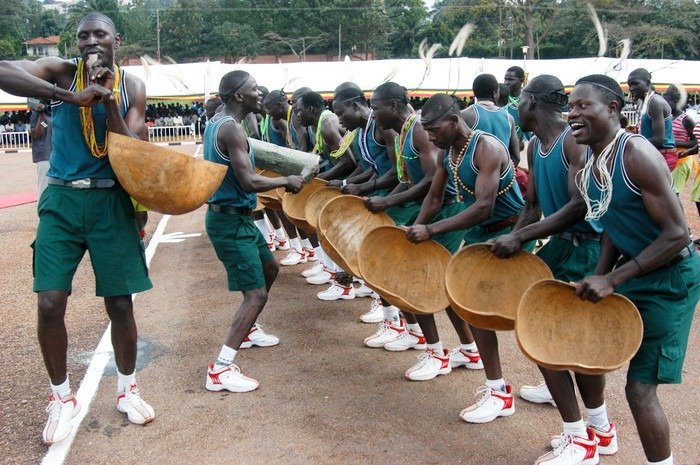
A story of coming together for the greater good
Yet this is not only a story of loss. It is also a story of resilience and renewal.
Local organisations and charities are helping communities carve out new futures. Vocational training centres, women’s empowerment groups, and youth initiatives are creating opportunities where there were none. Community-driven projects are rebuilding roads, restoring agriculture, and opening schools.
Charities like Rocco Paco excite and inspire because they bring not only resources but also hope. They demonstrate what is possible when people rally behind survivors of war, providing the tools and encouragement to rebuild lives with dignity.
Reconciliation efforts are slowly mending relationships, and even the courts have begun to recognise victims’ rights, with landmark rulings for compensation.
What Must Happen Next

Its all starts an education
For true recovery, Northern Uganda needs more than aid; it needs lasting investment and commitment.
Mental Health Support: Accessible counselling and culturally sensitive trauma care in every community.
Economic Empowerment: Microloans, agritech, and vocational training that help people move beyond survival.
Digital Inclusion: Internet access, digital tools, and training to ensure no one is left behind in the modern economy.
Justice and Land Rights: Legal frameworks that provide clarity, fairness, and reparations to victims.
Community-Led Infrastructure: Local voices must lead the rebuilding of schools, clinics, and water systems to ensure relevance and sustainability.
Final Word
Northern Uganda should not be defined by conflict but by the courage of its people to rebuild. They are not waiting for miracles; they are creating them.
By supporting initiatives and charities like Rocco Paco, we can help bridge the gap between survival and opportunity, between despair and dignity. These communities deserve not pity but respect, recognition, and the resources to shape their own future.
Come Help Rebuild with us.
